
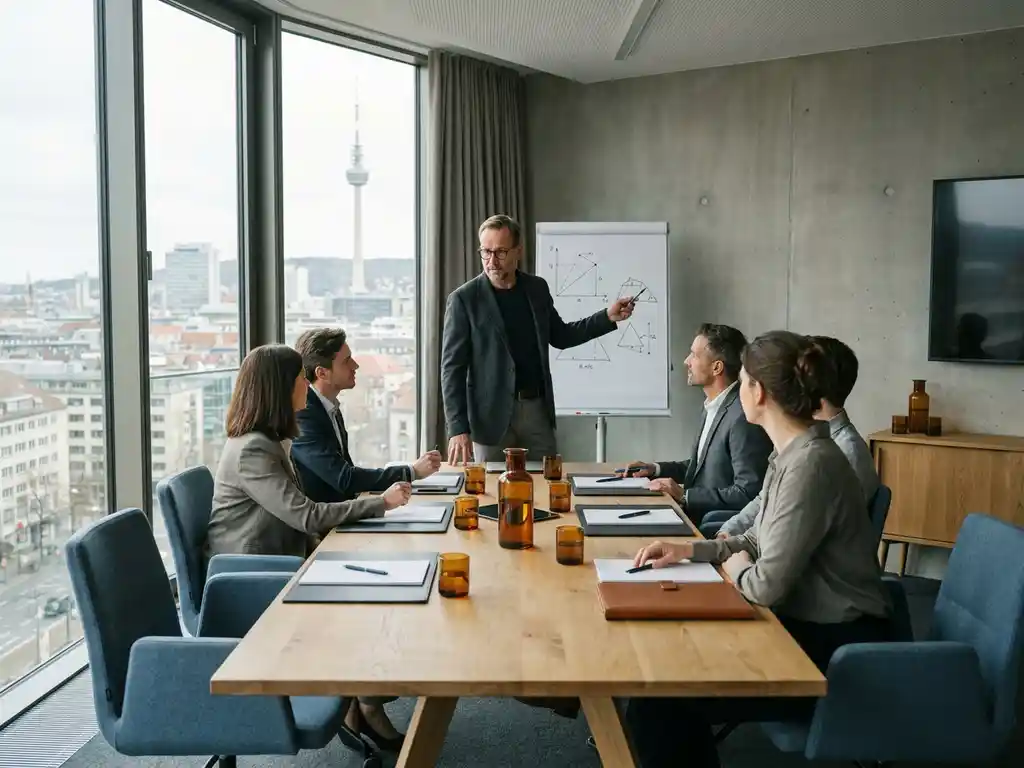
German business culture shapes teamwork through a strong emphasis on structure, expertise, and clear processes. Teams in Germany tend to operate with defined roles, transparent responsibilities, and a shared commitment to thorough preparation. Whether you are joining a German company or collaborating with German colleagues internationally, understanding these cultural patterns helps you work together more effectively and avoid unnecessary friction.
How is teamwork structured in a German workplace?
Teamwork in a German workplace is structured around clearly defined roles, individual accountability, and well-documented processes. Each team member is expected to own their area of responsibility and deliver high-quality results within it. Collaboration happens, but it tends to be deliberate and organized rather than spontaneous or informal.
German teams typically invest significant time upfront in planning and role distribution. This means that once a project begins, everyone knows exactly what they are responsible for and what the expectations are. Meetings are scheduled with a clear agenda, and participants are expected to come prepared.
This structured approach reflects a broader cultural value: reliability. In German professional settings, being dependable and thorough is considered a mark of professionalism. Teams function well when each person delivers on their commitments, and that expectation is shared across the group rather than enforced from above.
How does hierarchy affect collaboration in German companies?
Hierarchy in German companies is present but functional rather than ceremonial. Senior managers hold decision-making authority, and their sign-off is often required before major steps are taken. However, within their defined area of expertise, individual contributors are trusted to work independently without constant oversight.
This creates a working dynamic where collaboration is often horizontal within teams, but vertical when it comes to approvals and final decisions. You will not typically see German employees bypassing their manager to escalate an issue, and consensus is usually built carefully before a decision reaches the top.
For international professionals, this can feel slower than expected. The process is not about distrust but about precision. Decisions tend to be well-considered, and once made, they are implemented with commitment. Understanding this rhythm helps you engage more productively with German colleagues and managers.
Why do Germans communicate so directly in professional settings?
Germans communicate directly in professional settings because clarity and efficiency are valued over social smoothing. In German business culture, saying exactly what you mean is considered respectful. It signals that you take the other person seriously enough to give them honest, useful information rather than a polished but vague response.
This directness can catch international colleagues off guard, especially those from cultures where indirect communication is the norm. A German colleague pointing out a flaw in your proposal is not being rude. They are engaging seriously with your work and expect the same in return.
A few things worth knowing about direct communication in German teams:
- Criticism is usually specific and task-focused, not personal
- Disagreement is expressed openly and is not seen as a sign of conflict
- Vague or overly diplomatic responses can create confusion or be read as evasive
- Praise, when given, tends to be understated but genuine
Adjusting to this style takes time, but once you understand the intent behind it, direct communication becomes a productive and honest way to collaborate.
What role does planning and preparation play in German teamwork?
Planning and preparation are central to how German teams operate. Before a project starts, German professionals typically invest considerable time in defining goals, assigning responsibilities, and anticipating potential problems. This front-loaded preparation is not bureaucracy for its own sake. It reflects a cultural preference for minimizing uncertainty and delivering predictable results.
In practice, this means that deadlines are taken seriously, and timelines are built with realistic buffers. Changing course mid-project is possible, but it requires proper justification and a revised plan. Improvisation without a clear rationale is generally not well received.
For teams working with German colleagues on international projects, this planning orientation can actually be a significant strength. When everyone agrees on the process upfront, execution tends to be smooth and well-coordinated. The challenge for more spontaneous working styles is to embrace the structure rather than resist it.
How do Germans approach conflict and disagreement in teams?
Germans approach conflict in teams directly and professionally. Disagreement is not avoided. It is addressed openly, usually in the context of the work itself rather than personal dynamics. The expectation is that differences of opinion should be discussed rationally, resolved based on facts and reasoning, and then moved past without lingering tension.
This means that a heated discussion in a German team meeting is often a sign of healthy engagement, not dysfunction. Once the issue is resolved, the relationship continues professionally without the conflict being held against anyone.
What German colleagues tend to find more difficult is unresolved tension that goes unspoken. Passive disagreement, avoiding the issue, or saying one thing while doing another creates more discomfort than an open debate. If you have a concern, raising it clearly and early is the most effective approach.
What should international professionals know before joining a German team?
Before joining a German team, international professionals should understand that punctuality, preparation, and reliability are not just preferences but professional expectations. Arriving late to meetings, submitting incomplete work, or changing plans without notice signals a lack of respect for the team’s time and process.
Beyond logistics, there are a few cultural patterns worth internalizing:
- Expertise matters: German colleagues respect people who know their subject deeply. Demonstrating genuine knowledge builds credibility faster than enthusiasm alone.
- Titles and formality: In many German companies, formal address (using “Sie” rather than “du”) is still standard, especially in larger organizations or with senior colleagues. Follow the lead of your team.
- Work-life boundaries: Germans generally maintain a clear separation between work time and personal time. Contacting colleagues outside of working hours without prior agreement is not common practice.
- Quality over speed: The preference is usually to take the time needed to do something well rather than deliver quickly and revise later.
Understanding German cultural values before you start helps you integrate more smoothly, avoid unintentional missteps, and build strong working relationships from day one.
How crossculture academy helps you navigate German business culture
If you are preparing to work with or within a German team, targeted intercultural training makes a real difference. At crossculture academy, we help international professionals and their families build the cultural competence they need to thrive in new work environments. Our support for professionals navigating German business culture includes:
- Country-specific intercultural training covering communication styles, hierarchy, teamwork, and professional norms in Germany
- Flexible E-Learning courses you can complete at your own pace, wherever you are in the world
- One-on-one coaching with experienced trainers who have lived and worked across cultures
- A 24/7 expert hotline for real-time guidance in intercultural business situations
- Support for accompanying family members adjusting to life in a new country
Whether you are relocating to Germany, managing a German team from abroad, or simply working more closely with German colleagues, we give you the practical tools to collaborate with confidence. Get in touch with us to find the right training format for your situation.