
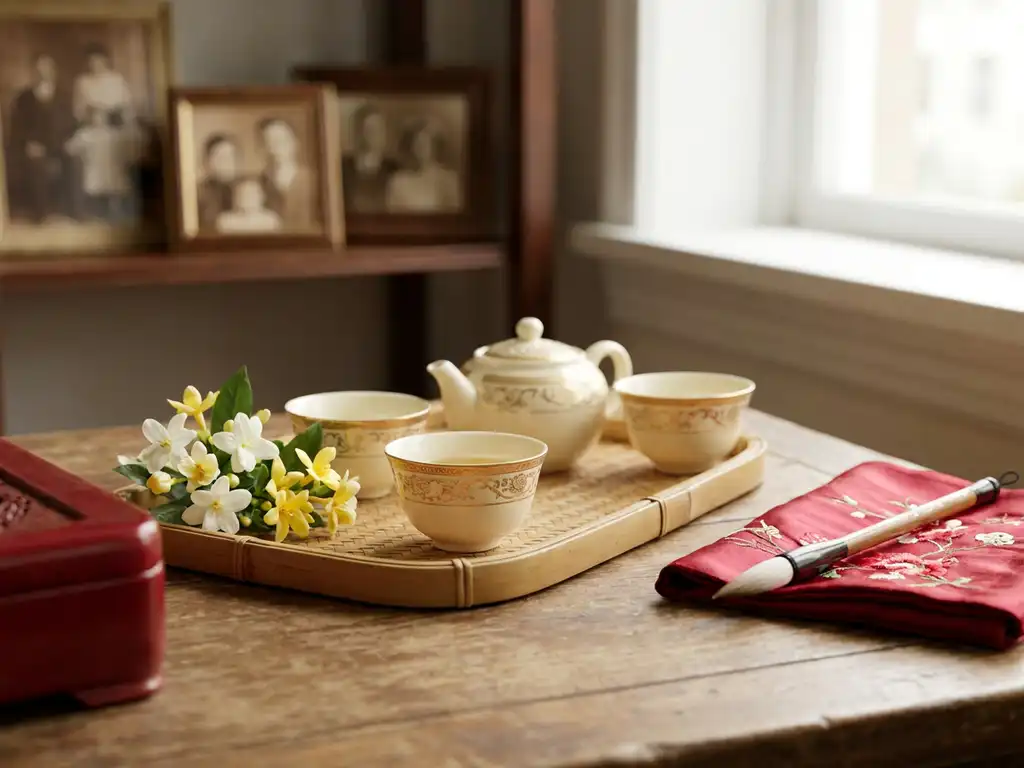
Chinese people value harmony, family loyalty, social reputation, and long-term relationships above almost everything else. These values are deeply rooted in Confucian philosophy, which has shaped Chinese society for over two thousand years. Whether you are preparing for a business trip, relocating to China, or working with Chinese colleagues, understanding these core values will help you connect more meaningfully and avoid common misunderstandings.
How do Confucian principles shape everyday Chinese values?
Confucian principles shape Chinese values by emphasizing social harmony, respect for hierarchy, loyalty to family, and the importance of education and self-improvement. These teachings, developed by the philosopher Confucius around 500 BCE, are not just historical ideas. They remain a living framework that influences how Chinese people think about relationships, authority, work, and personal conduct today.
In practical terms, Confucianism encourages people to fulfil their roles within a social structure. A child respects their parents. An employee shows loyalty to their employer. A younger colleague defers to a more senior one. This is not blind obedience but a mutual system in which each role carries both responsibilities and expectations.
Education holds a particularly high place within this framework. Academic achievement is seen as a path to social mobility and a way to honour one’s family. This cultural emphasis on learning and self-cultivation explains why Chinese families often invest heavily in education and why professional development is taken seriously at every career stage.
Why is ‘face’ (mianzi) so important in Chinese culture?
Face, or mianzi, is important in Chinese culture because it represents a person’s social reputation, dignity, and standing in the eyes of others. Losing face is not just embarrassing. It can damage relationships, undermine trust, and have real consequences in both personal and professional life. Giving face to others, on the other hand, builds goodwill and strengthens bonds.
Face operates on two levels. The first is mianzi, which relates to social prestige and how others perceive you. The second is lian, which is tied to moral character and personal integrity. Both matter, but in business contexts, mianzi is particularly relevant when it comes to Chinese business etiquette.
In practice, this means that direct criticism, especially in public, is something to avoid. Disagreements are often handled indirectly. Praise and acknowledgment of someone’s status or achievements are genuinely appreciated. If you want to build a strong relationship with Chinese colleagues or partners, being mindful of face is one of the most useful things you can do.
What role does family play in Chinese values and identity?
Family is the foundation of Chinese identity and one of the most deeply held values in Chinese culture. Loyalty to family comes before almost all other social obligations. Chinese people often define themselves in relation to their family unit rather than as isolated individuals, and major life decisions, including career choices and where to live, are frequently made with the family’s interests in mind.
This family-centred worldview has practical implications. Multigenerational households are common. Elderly parents are cared for by their children rather than being placed in external care. Financial support flows between family members as a matter of course, not just in times of crisis.
For professionals relocating to China or working with Chinese colleagues, it helps to understand that family commitments are taken seriously and are rarely separated from professional life. Asking about someone’s family is a genuine sign of interest and warmth, not an intrusion into private matters.
How does guanxi influence relationships and trust in China?
Guanxi refers to the network of relationships and mutual obligations that underpin trust and cooperation in Chinese society. It influences relationships in China by determining who you can rely on, who will support you, and how business and social interactions unfold. Strong guanxi opens doors. Weak or absent guanxi can make even straightforward tasks difficult.
Building guanxi takes time and genuine investment. It involves sharing meals, exchanging favours, attending social events, and showing consistent reliability over time. It is not transactional in a short-term sense. Rather, it is a long-term investment in mutual trust that both parties are expected to honour.
In business contexts, this means that deals are rarely made with strangers. A warm introduction through a shared contact carries far more weight than a cold email. If you are entering the Chinese market or managing relationships with Chinese partners, investing time in building guanxi before pushing for results is not just polite. It is strategically smart.
What do Chinese people value in professional and business settings?
In professional and business settings, Chinese people value hierarchy, long-term relationships, collective harmony, and mutual respect. Understanding these priorities is central to navigating Chinese business etiquette successfully, whether you are attending a first meeting, negotiating a contract, or managing a team.
- Hierarchy and seniority: Titles and seniority matter. Address senior colleagues and clients with their title and surname. Decisions often move through layers of approval rather than being made on the spot.
- Relationship before transaction: Business in China is built on trust developed over time. Expect an initial focus on getting to know each other before moving to business specifics.
- Indirect communication: A direct “no” is rare. Phrases like “that might be difficult” or “we will consider it” often signal reluctance. Learning to read between the lines is a practical skill.
- Group harmony: Open conflict is avoided. Decisions are often made by consensus, and maintaining a positive group dynamic is valued over individual assertiveness.
- Gift-giving and hospitality: Hosting a meal or offering a thoughtful gift is a meaningful gesture. It signals respect and investment in the relationship.
These norms apply broadly, though regional and generational differences do exist, which we will look at next.
How do Chinese values differ across generations and regions?
Chinese values differ across generations and regions in meaningful ways. While core values like family loyalty and respect for hierarchy remain widely shared, younger urban Chinese and those in more internationally connected cities often hold different expectations around work, individuality, and communication than older generations or people in rural areas.
Generational differences
Younger Chinese professionals, particularly those born after 1990, have grown up in a more connected, consumer-oriented environment. Many have studied or worked abroad. They tend to be more comfortable with direct communication, more open to questioning authority, and more focused on personal fulfilment alongside collective responsibility. That said, family expectations, including the pressure to marry, have children, and support ageing parents, remain strong even among younger generations.
Regional differences
China is a vast and diverse country. Business culture in Shanghai or Beijing, both internationally oriented cities, can feel quite different from the approach in Chengdu, Guangzhou, or smaller inland cities. Northern Chinese business culture tends to be more formal and relationship-driven. Southern regions, particularly around Guangdong, have a long history of trade and can be more commercially pragmatic. Understanding where your Chinese counterparts come from adds a useful layer of context to any interaction.
If you want to go deeper on these regional and cultural nuances, our intercultural video library covers a wide range of country-specific topics in an accessible format.
How crossculture academy helps you understand Chinese culture
Understanding what Chinese people value is one thing. Applying that knowledge confidently in real business and social situations is another. That is exactly where we at crossculture academy come in. We offer practical, experience-based training designed to help professionals and their families navigate cultural differences with confidence.
Here is how we can support you:
- Country-specific training for China: Our China intercultural training covers values, communication styles, business etiquette, and everyday cultural norms in depth.
- E-Learning courses: Our flexible E-Learning courses let you build intercultural competence at your own pace, wherever you are in the world.
- Expert coaching and blended learning: We work with over 450 international trainers and consultants who bring personal experience of living and working in China.
- 24/7 expert hotline: When you face a real-time intercultural challenge, our hotline connects you with specialists who can help you navigate it quickly and effectively.
- Support for families: Relocation affects the whole family. We offer tailored programmes for partners and children to help everyone feel at home in their new environment.
Whether you are preparing for your first trip to China or relocating there long-term, we are here to help you make the most of the experience. Get in touch with us to find the right training for your situation.