
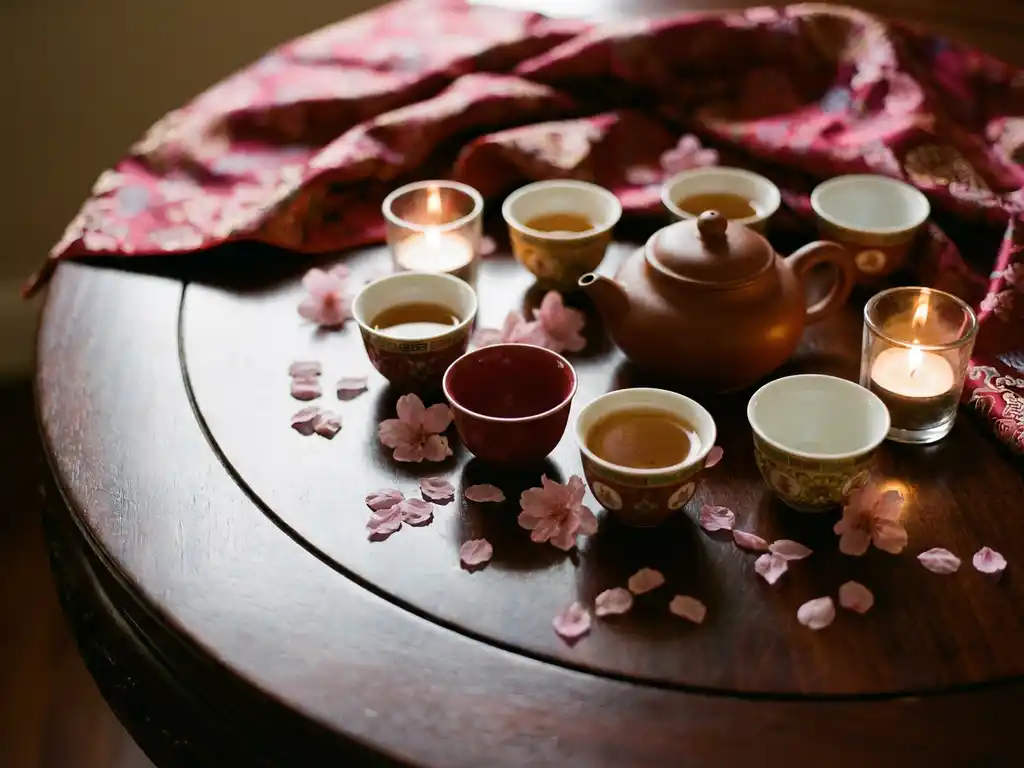
The 7 rules of Chinese etiquette cover face-saving, gift-giving, dining customs, business card exchange, communication style, respect for hierarchy, and relationship building through guanxi. These rules apply to anyone working with or visiting Chinese colleagues, clients, or partners. Understanding them helps you avoid costly misunderstandings and build genuine trust from the very first meeting. The sections below unpack each rule in practical detail.
Why do Chinese etiquette rules differ so much from Western norms?
Chinese etiquette rules differ from Western norms because they are rooted in Confucian values that prioritize collective harmony, hierarchy, and long-term relationships over individual expression and short-term outcomes. Where Western business culture often rewards directness and informality, Chinese social norms place a premium on respect, restraint, and reading the room. This shapes everything from how people greet each other to how disagreements are handled.
Confucianism has influenced Chinese society for more than two thousand years. Its core principles, respect for elders and authority, loyalty to the group, and the avoidance of public shame, are not abstract philosophy. They show up in everyday interactions at the dinner table, in the boardroom, and during negotiations. A Western professional who treats a Chinese counterpart the same way they would treat a colleague in Frankfurt or Chicago risks coming across as disrespectful, even when their intentions are entirely positive.
Understanding this cultural foundation is the starting point for navigating Chinese business etiquette with confidence. The rules are not arbitrary. They reflect a coherent value system, and once you understand that system, the individual rules start to make intuitive sense.
What is the role of ‘face’ in Chinese social and business interactions?
‘Face’ in Chinese culture refers to a person’s social reputation, dignity, and standing in the eyes of others. It is one of the most important concepts in Chinese social and business life. There are two key dimensions: mianzi, which relates to prestige and status, and lian, which relates to moral character. Both can be given, maintained, or lost depending on how people treat each other in public and private settings.
In practical terms, protecting face means avoiding situations where someone is embarrassed, contradicted, or criticized in front of others. Saying “no” directly, pointing out a mistake publicly, or pushing someone into an uncomfortable position can all cause a loss of face, and this damage can be very difficult to repair. This is why Chinese professionals often use indirect language, give vague answers rather than flat refusals, and go out of their way to make guests feel respected and valued.
Giving face is equally important. Praising someone’s expertise in front of their team, acknowledging seniority, or presenting a gift in a thoughtful way all contribute to a person’s mianzi. In a business context, this matters a great deal during negotiations, introductions, and formal dinners. If you want to build a strong working relationship with Chinese partners, actively look for opportunities to show respect and avoid putting anyone in a position where they might feel embarrassed.
How does gift-giving etiquette work in China?
Gift-giving in China is a meaningful social practice that follows clear unwritten rules. Gifts are commonly exchanged during visits, holidays, and business meetings as a way of building goodwill and showing respect. However, the type of gift, how it is presented, and even its wrapping all carry symbolic meaning that can either strengthen or accidentally damage a relationship.
What gifts are appropriate?
Good choices include quality food items, tea, wine, or branded goods from your home country. Gifts that reflect your own culture are often well received because they show thoughtfulness. Avoid giving clocks, as they are associated with death in Chinese culture. Avoid shoes, which can imply you want someone to walk away from you. Green hats carry a specific negative connotation. Anything in sets of four should be avoided because the number four sounds like the word for death in Mandarin.
How should gifts be presented?
Gifts are traditionally offered and received with both hands, and it is common for the recipient to set the gift aside without opening it immediately. This is not a sign of disinterest. Opening a gift in front of the giver can be seen as greedy or impatient. Use red or gold wrapping when possible, as these colors symbolize luck and prosperity. White and black are associated with mourning and are best avoided.
What are the rules for dining and table etiquette in China?
Dining etiquette in China centers on hospitality, hierarchy, and communal eating. The host always orders for the table, dishes are shared rather than individually portioned, and the most honored guest typically sits facing the door. Showing appreciation for the food and allowing the host to lead the meal are both important signs of respect.
Seating is not random. The most senior person or honored guest sits in the most prominent position, usually facing the entrance. As a guest, wait to be directed to your seat rather than choosing one yourself. The host will often begin the meal with a toast, and it is polite to reciprocate with one of your own at some point during the meal.
When using chopsticks, never stick them upright into a bowl of rice, as this resembles incense sticks used at funerals. Do not use chopsticks to point at people or pass food directly from your chopsticks to someone else’s, as both actions mirror funeral rituals. It is perfectly acceptable to use the serving spoons provided or to ask for a fork if you are not comfortable with chopsticks.
Leaving a small amount of food on your plate signals that the host has provided more than enough. Finishing everything on your plate can suggest you are still hungry and that the host did not provide adequately. Drinking etiquette also matters: toasts are frequent, and refusing a toast from a senior person can cause awkwardness. You can sip rather than drain your glass if needed, but participating in the toast itself is important.
How should business cards be exchanged in China?
Business cards in China are exchanged as a formal gesture of respect and should be treated with care. Present and receive cards with both hands, take a moment to read the card before putting it away, and never write on it or stuff it into a back pocket. The exchange signals that you take the relationship seriously.
If you are visiting China for business, it is worth having your cards printed in both English and Mandarin. Place the Mandarin side facing up when you offer the card. When you receive a card, hold it with both hands, study it briefly, and place it respectfully on the table in front of you during the meeting or in a card holder afterward. This small gesture communicates that you value the person and their professional identity.
For more practical guidance on navigating professional meetings in China, our China intercultural training covers these scenarios in detail.
What communication styles and topics should be avoided in China?
In Chinese business culture, direct confrontation, public criticism, and sensitive political topics should all be avoided. Communication tends to be indirect and context-dependent, meaning that what is left unsaid can be just as important as what is said. Silence is not awkward, it is often thoughtful. Interrupting or pushing for immediate answers can come across as aggressive or disrespectful.
Topics to avoid include Taiwan, Tibet, the Tiananmen Square events of 1989, and criticism of the Chinese government or political system. These subjects can create serious discomfort and damage trust quickly. Religion and personal income are also sensitive areas, particularly in a first meeting or formal business context.
Instead, good conversation topics include Chinese culture and history (approached with genuine curiosity rather than judgment), food, travel, family, and business achievements. Asking someone about their hometown or their family shows warmth and interest. Complimenting the food during a dinner is always appreciated.
Pay attention to indirect signals during conversations. If a Chinese colleague says something like “that might be difficult” or “we will need to study this further,” this often means no. Pushing for a direct answer in that moment puts the other person in an uncomfortable position. Learning to read these indirect cues is one of the most valuable communication skills you can develop for working in or with China.
If you want to go deeper on Cross-Cultural communication patterns, our intercultural video library covers communication styles across many cultures, including China, in an accessible and practical format.
How crossculture academy helps you master Chinese business etiquette
Understanding Chinese etiquette in theory is one thing. Applying it confidently in real business situations is another. That is where we at crossculture academy come in. We offer targeted intercultural training and resources specifically designed for professionals preparing to work with or relocate to China.
- Our China-specific intercultural training covers business etiquette, communication styles, relationship-building, and negotiation practices in depth
- We offer flexible formats including classroom training, one-on-one coaching, and E-Learning courses you can complete at your own pace from anywhere in the world
- Our network of more than 450 international trainers and consultants includes professionals with direct personal experience living and working in China
- We also support accompanying family members, helping partners and children adapt to life in a new cultural environment alongside the professional assignment
- Our expert hotline is available 24/7 worldwide for quick guidance in real-time intercultural situations
Whether you are preparing for your first business trip to China or planning a longer international assignment, we are here to help you feel prepared and confident. Get in touch with us to find the right training format for your needs.